
Transform Your Messy Garage Into An Organized Powerhouse With Custom Storage Today
Custom garage storage starts with the simple fact that the average garage loses over 30% of its usable floor space to clutter. This system is built around modular components like wall panels, cabinets, and slatwalls that mount directly to studs, turning vertical surfaces into functional storage zones. By keeping tools, sports gear, and bins off the ground, it maximizes every square foot and creates dedicated zones for parking and work.
What Makes a Garage Storage System Truly Custom
A truly custom garage storage system is defined by its ability to adapt to your specific spatial constraints and unique inventory. It goes beyond off-the-shelf cabinets by integrating modular components that lock together at precise heights and widths, eliminating wasted vertical gaps. This means a custom solution accounts for every angled wall, support beam, and ceiling obstruction. Load capacity is calibrated to your heaviest items, from tool chests to kayaks, ensuring long-term structural integrity. The system also accommodates future reconfiguration through adjustable tracks and interchangeable bins. A custom design treats your garage as a functional room, not just a dumping ground, prioritizing workflow over mere storage volume. Ultimately, it is a tailored framework, not a forced fit.
How Tailored Layouts Differ from Off-the-Shelf Shelving
Tailored layouts begin with a precise measurement of your garage’s dimensions, including wall irregularities, ceiling height, and structural obstacles like pipes or studs. Off-the-shelf shelving forces you to adapt your storage to its fixed width and depth, often leaving wasted gaps or overhung items. A custom system, in contrast, maps each shelf, cabinet, and overhead rack to the exact free space, eliminating dead zones. The optimized spatial utilization means every inch is functional. The logical sequence follows:
- Measure all anomalies (e.g., sloped floors, corners).
- Design around your specific tool sizes and sports gear.
- Install fixed supports that align with your workflow, not a store shelf’s default layout.
This avoids the shelving clashing with your wall contours or blocking outlets.
Key Components: Modular Cabinets, Slatwalls, and Overhead Racks
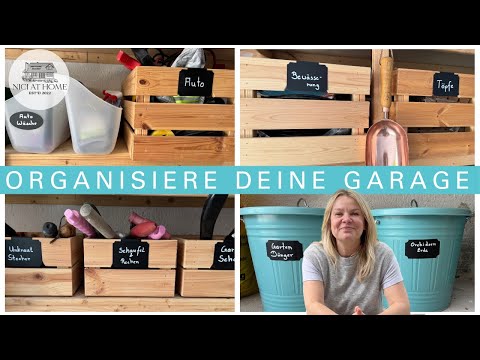
For a truly custom garage, modular cabinets, slatwalls, and overhead racks form the core triangle of storage. Modular cabinets offer clean, enclosed storage for hiding clutter, with customizable drawer and shelf configurations. Slatwalls provide flexible, tool-accessible vertical space using hooks and bins that can be rearranged instantly. Overhead racks maximize dead ceiling space for bulky items like kayaks or seasonal bins, keeping the floor clear. Together, you blend hidden bulk storage, adaptable tool access, and high-capacity overhead stashing to match your exact workflow.
| Component | Best For | Key Flexibility |
|---|---|---|
| Modular Cabinets | Hiding clutter, bulk items | Swap drawer/cabinet units |
| Slatwalls | Frequent-use tools | Move hooks & shelves instantly |
| Overhead Racks | Seasonal or large gear | Adjust height & drop-down range |
How to Plan Your Own Personalized Garage Organization
I started with a flashlight and a mess. The key to custom garage storage is mapping your actual workflow. I measured every wall, then drew zones for bikes, tools, and holiday bins. For your personalized garage organization, I built a mock-up with painter’s tape on the floor. This let me see if my bench would block the car door. I installed slatwall for flexibility, adjusting hooks as I realized my drill case needed a deeper shelf. The result isn’t a catalog photo—it’s a system that shifts when my projects do, turning a dumping ground into a workshop that works for me.
Measuring the Space and Mapping Out Your Gear
Start by grabbing a tape measure and recording the exact dimensions of your garage space, including ceiling height, window sills, and floor-to-ceiling obstacles like pipes. Next, physically inventory every item you own—sports gear, tools, seasonal decorations—and group them by function. Finally, sketch a rough floor plan and map out gear «zones» based on how often you use each item. A clear sequence for this process is:
- Measure all wall, floor, and ceiling dimensions.
- List every piece of gear and its current storage spot.
- Draft a scaled layout with activity zones (e.g., bike corner, workbench area).
Balancing Open Shelving with Closed Cabinets for Mixed Use
Balancing open shelving with closed cabinets requires analyzing your garage’s usage patterns. Mixed-use garage zones benefit from assigning open shelving to frequently accessed, visually uniform items like bins or tools, while closed cabinets conceal irregular or messy supplies. A logical approach is to place open shelving in a defined work area for quick retrieval, and reserve closed cabinets for infrequent or hazardous materials. This strategy prevents visual clutter while maintaining functional accessibility. The table below contrasts their roles in mixed-use planning.
| Feature | Open Shelving | Closed Cabinets |
|---|---|---|
| Primary Use | Daily access items | Seasonal or mess-prone gear |
| Best Location | Workbench or entry zone | Perimeter or overhead storage |

Top Features That Add Everyday Functionality
For custom garage storage, adjustable, heavy-duty wall panels provide the core functionality, allowing you to reconfigure hooks, shelves, and bins as your gear changes without drilling new holes. Pairing these with pull-out rolling cabinets for bulky power tools or sports equipment ensures you can access everything from the front, eliminating the need to dig through stacked boxes. A dedicated, ventilated charging station integrated into your shelving unit is one nuance that keeps batteries organized and ready while preventing clutter. Finally, a slatwall or track system for frequently used long-handled tools like shovels and rakes keeps them off the floor and instantly reachable, transforming chaotic stacking into a daily, efficient workflow.
Heavy-Duty Drawer Slides and Lockable Compartments
Heavy-duty drawer slides transform deep cabinets into accessible storage, smoothly supporting bulky power tools and hardware even under full load. Unlike standard slides, these prevent sagging and allow full extension for rear access. Lockable compartments Orga Spaces storage systems then secure hazardous items and expensive gear, with sequenced actions for safety:
- Slide the drawer fully open on its ball-bearing rails.
- Place tools or chemicals inside the integrated lockbox.
- Close and engage the keyed latch to prevent accidental access.
This combination eliminates rummaging and unauthorized use, making every pound of gear instantly reachable yet firmly contained.
Integrated Workbenches, Pegboards, and Fold-Down Tables
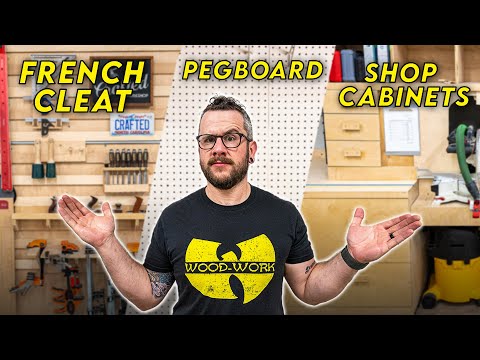
Integrated workbenches turn unused wall space into a dedicated station for repair, assembly, or hobbies. Pairing them with a pegboard above keeps tools visible and within arm’s reach, eliminating drawer clutter. For tight garages, fold-down tables provide a sturdy surface that stows flat against the wall when not needed, preserving floor space. Unlike fixed benches, a fold-down design can be mounted between wall cabinets, and the pegboard pattern allows flexible hook placement for wrenches, hammers, and screwdrivers. This combination creates a compact, functional zone where every square inch serves a purpose.
Which Materials and Finishes Offer the Best Durability
For custom garage storage, 14-gauge or thicker steel offers the best structural longevity, resisting dents and sagging under heavy tools or bins. Powder-coated finishes, particularly textured epoxy or polyester, provide superior chip and corrosion resistance compared to standard paint. Hardwood like birch with a catalyzed lacquer offers a durable, high-end look but requires careful sealing against moisture. Polypropylene or heavy-duty PVC shelving is ideal for humid environments since it will never rust. A phenolic resin top on workbench surfaces more effectively repels chemical spills than bare wood, though it comes at a higher cost. For drawer slides, opt for full-extension ball-bearing slides with a double-coat zinc finish to prevent jamming over years of heavy use.
Comparing Powder-Coated Steel, Plywood, and Stainless Steel
When comparing durability for custom garage storage, powder-coated steel vs. plywood vs. stainless steel reveals a clear hierarchy. Stainless steel resists rust and corrosion best, ideal for damp garages, but can dent. Powder-coated steel offers balanced durability with a chip-resistant finish that handles heavy tools, yet scratches may expose raw metal. Plywood stores chemicals poorly, warps in humidity, and splinters under weight, making it the least durable option. For structured assessment:
- Assess moisture levels: stainless steel wins in wet conditions.
- Consider load: powder-coated steel supports heavy items without sagging.
- Budget: plywood is cheapest but sacrifices longevity.
The trade-off is that stainless steel requires higher investment for lasting performance.
Resisting Moisture and Temperature Swings in an Unconditioned Garage
For custom garage storage in an unconditioned space, choose materials that resist both moisture and thermal cycling. Powder-coated steel or marine-grade polymer cabinets will not warp or delaminate like MDF when humidity spikes. Sealed plywood with epoxy coating withstands temperature swings without cracking. Avoid raw particleboard, which absorbs dampness. Even galvanized steel can corrode if scratched, so prioritize durable finishes like automotive-grade urethane.
Q: How do temperature swings affect standard laminate shelving in a garage? A: Extreme heat can bubble the laminate, while freeze-thaw cycles cause adhesive failure, leading to peeling and structural weakness.
Tips for Maximizing Vertical and Ceiling Storage
To maximize vertical and ceiling storage in custom garage storage, prioritize heavy-duty ceiling racks for bulky, infrequently used items like seasonal decorations or camping gear. Install slotted wall panels with adjustable hooks and bins to keep tools and sports equipment off the floor. Overhead cabinet systems are ideal for hazardous materials or delicate gear, keeping them secure yet accessible. For long items like ladders or lumber, use ceiling-mounted horizontal hoists or dedicated track systems. Measure headroom carefully to avoid blocking garage doors or lighting. The most critical tip is to group items by weight and frequency of use, placing heavy or seldom-used objects highest, while keeping daily-access tools at eye level for efficiency.
Using Adjustable Track Systems for Bikes, Ladders, and Long Tools

For long and awkward gear, adjustable track systems are a game-changer. You screw a horizontal or vertical rail to your wall studs, then snap dedicated hooks onto the track exactly where you need them. Pivot the bike hooks to hold the frame tight against the wall, or slot in ladder brackets that cradle the rails horizontally, keeping the rungs out of your way. Shovels and rakes get their own dedicated clips that slide apart to match the handle length. Swapping a hook for a different tool takes seconds as your storage needs change.
Adjustable track systems let you customize hanging spots for bikes, ladders, and long tools without drilling new holes every time you reorganize.
Installing Overhead Grids for Seasonal Items and Bulk Supplies
Installing overhead grids transforms your garage’s wasted airspace into a suspended staging area for seasonal items and bulk supplies. Mount robust wire grids securely to ceiling joists using heavy-duty brackets, ensuring they support heavy bins of holiday decorations or pallets of paper towels. Stow bulky camping gear and off-season tires up high, freeing floor space for daily use. A well-planned grid system requires measuring your vehicle’s clearance to avoid accidental collisions when parking.
- Use zip ties or bungee cords to lock lightweight bins in place on the grid surface
- Group items by season and store them in clear, labeled totes for quick retrieval
- Install a grid section directly above workbenches for high-frequency bulk items like cleaning supplies
This method leverages “overhead grid storage” to keep seldom-used gear accessible yet completely out of the way.
Common Questions About Starting a Custom Setup
When starting a custom garage storage setup, the biggest question is usually, «Where do I begin?» Begin by auditing your gear: everything from lawn tools to sports equipment demands measured floor and wall space. A common concern is, Q: How do I ensure the system adapts as my needs change? A: Choose modular components—adjustable shelving, slatwall panels, and track-based cabinets—so you can reconfigure layouts without starting over. People also ask if they need professional installation; often, a hybrid approach works best—hire pros for heavy-duty overhead racks, then tackle slatwall and pegboard zones yourself. Material choice matters too: powder-coated steel beats plastic for long-term durability, and sealed plywood resists moisture in unheated garages. Finally, planning for vehicle clearance while maximizing vertical storage resolves the most frequent setup conflict.
How Much Does a Professionally Designed System Typically Cost
For a fully custom garage storage system, professional design and installation typically ranges from $3,000 to $10,000. The final cost depends heavily on material choice (slatwall versus high-density polyethylene), linear footage of cabinetry, and specialized accessory density. A small one-car garage with basic wall panels and a few shelves starts near the lower bound, while a two-car space with floor-to-ceiling cabinets, heavy-duty overhead racks, and sliding drawers pushes into the upper range. Labor adds 20–30% but ensures structural anchors and load-rated attachment.
- Basic slatwall system for a single bay: $1,800–$3,500
- Full modular cabinet system with countertops: $5,000–$9,000
- Premium hardwood or steel systems with integrated workbenches: $8,000–$15,000
Can You Mix Custom Add-Ons with Existing Basic Storage Units
Yes, you can mix custom add-ons with existing basic storage units, provided the systems share compatible rail or track dimensions. Retrofitting existing basic cabinets with custom add-ons is a common cost-saving strategy. For example, adding a custom pull-out shelf or a specialized tool rack to a pre-existing wire shelving unit transforms unused spaces. Grid adapters and universal brackets often bridge the gap between mismatched brands, though exact fit is not guaranteed. Can you mix custom add-ons with existing basic storage units? Absolutely; focus on slide-in inserts and modular clips that attach to your current frames, maximizing function without replacing the base system.